

Do metal shoe horns work well with tight - fitting shoes?
Hey there! I'm a supplier of Metal Shoe Horns, and I get this question a lot: Do metal shoe horns work well with tight - fitting shoes? Well, let's dig into this topic and find out.
First off, we all know the struggle of slipping on tight - fitting shoes. It can be a real pain, especially when you're in a hurry or your feet are a bit swollen after a long day. That's where a good shoe horn comes in handy. But not all shoe horns are created equal, and when it comes to tight - fitting shoes, metal shoe horns might just be the game - changers.
One of the biggest advantages of metal shoe horns is their durability. Unlike Plastic Shoe Horns, which can crack or break under pressure, metal shoe horns are built to last. When you're trying to force your feet into those snug shoes, you need a tool that can withstand the pressure without bending or snapping. Metal shoe horns are typically made from high - quality materials like stainless steel or brass, which can handle the kind of force you need to apply.
Another cool thing about metal shoe horns is their smooth surface. The smoothness allows your foot to glide easily into the shoe. When you're dealing with tight - fitting shoes, even the slightest bit of friction can make it difficult to get your foot in. With a metal shoe horn, the foot slides in more effortlessly, reducing the chances of damaging the shoe's lining or your foot in the process.
Now, let's talk about the shape. Metal shoe horns often have a well - designed curve that conforms to the shape of your heel and the back of your shoe. This shape makes it easier to guide your foot into the shoe precisely. It can help you position your foot correctly, ensuring that you don't end up wrinkling the shoe or misaligning the heel.
But it's not all sunshine and rainbows. There are a few downsides to using metal shoe horns with tight - fitting shoes. One of the main issues is their weight. Metal shoe horns can be quite heavy compared to plastic ones. If you're on the go a lot and need to carry your shoe horn with you, the extra weight might be a bit of a hassle.
Also, metal can get cold in colder climates. If you're in an area with low temperatures, grabbing a metal shoe horn can be an unpleasant experience. It might even make your feet feel cold as you use it.
When comparing metal shoe horns to other types, like plastic or wooden ones, for tight - fitting shoes, metal still has an edge. Plastic shoe horns, as I mentioned earlier, are more prone to damage. Wooden shoe horns, on the other hand, can absorb moisture and might warp over time. They also don't have the same level of smoothness as metal shoe horns.
If you're still not sure whether a metal shoe horn is right for your tight - fitting shoes, it might be a good idea to give it a try. I offer a range of High Quality Shoe Horn options, each designed to meet different needs. You can start with a basic metal shoe horn and see how it works for you.
In conclusion, metal shoe horns are generally a great choice for tight - fitting shoes. Their durability, smooth surface, and proper shape make them well - suited for the task. While there are some minor drawbacks like weight and coldness, the benefits far outweigh these issues for most people.

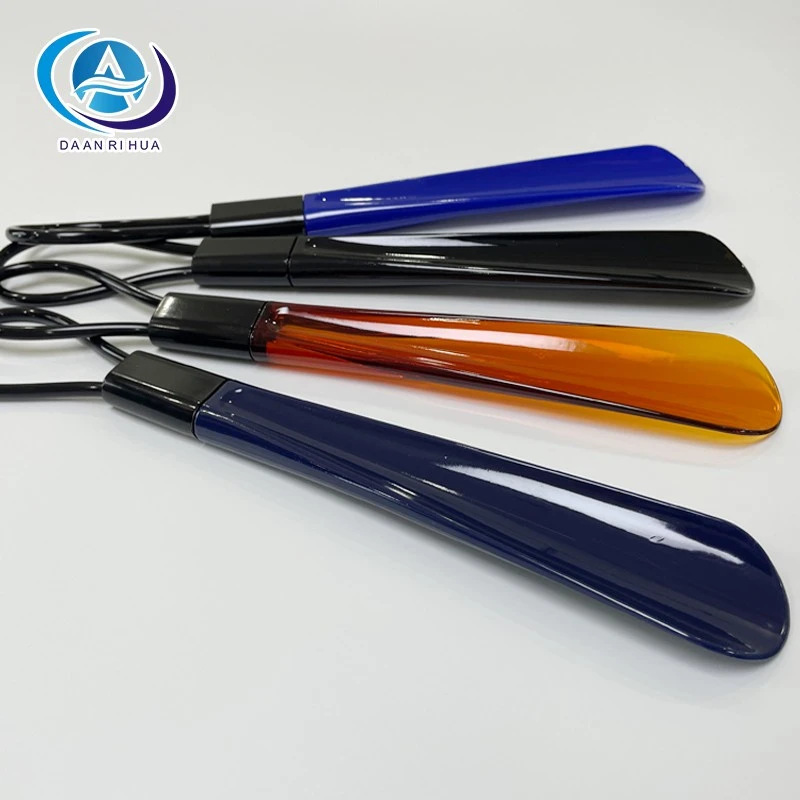
If you're interested in purchasing metal shoe horns for your personal use or for your business, I'd love to have a chat with you about your needs. Whether you need a small quantity for yourself or a large order for resale, I'm here to help. Just reach out, and we can discuss the details and find the perfect metal shoe horns for you.
References
- General knowledge about shoe horn materials and their properties.
- Customer feedback on using different types of shoe horns with tight - fitting shoes.